What PSI Should Your Home's PRV Be Set To?
Understanding Water Pressure and Your Pressure Reducing Valve
When you turn on a faucet or step into the shower, you probably notice immediately when the water pressure doesn't feel right. But water pressure is about much more than comfort.
The pressure of the water entering your home can affect your pipes, fixtures, appliances, water heater, and other components throughout your plumbing system.
One of the primary devices responsible for controlling that pressure is your Pressure Reducing Valve, commonly called a PRV.
So, what should your PRV be set to?
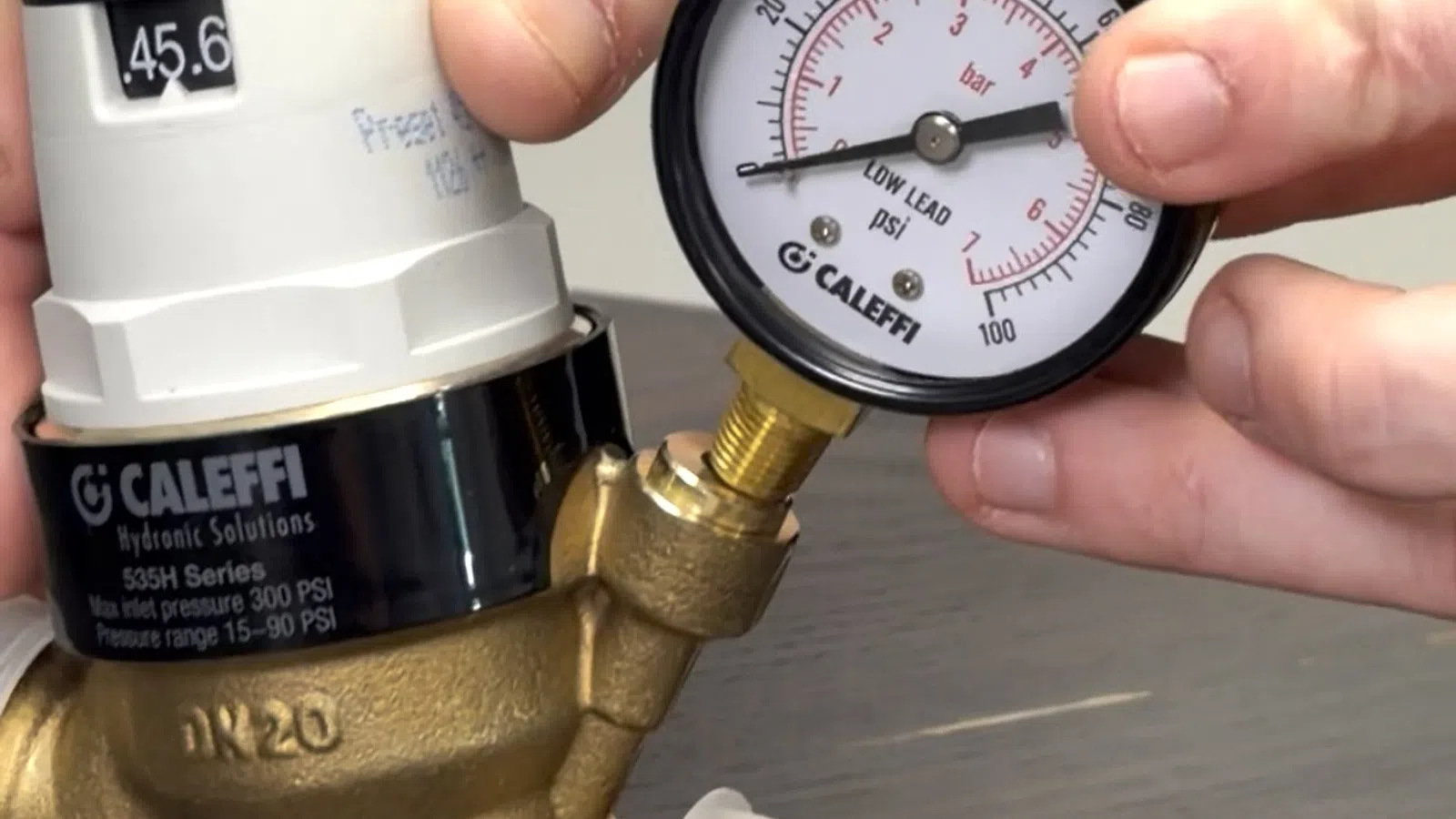
For many residential homes, approximately 45-75 PSI can provide an appropriate operating range. At Dayco Systems, our plumber Kevin generally prefers to see a home around 60 PSI, when that setting is appropriate for the particular plumbing system.
What Is PSI?
PSI stands for pounds per square inch, and it is the measurement used to describe water pressure.
If the PSI is too low, homeowners may experience weak showers, slow-filling fixtures, or disappointing water flow.
If the PSI is too high, however, the additional pressure can place unnecessary stress on the plumbing system.
That is why finding the right balance matters.
Why Is Around 60 PSI a Good Target?
For many homes, approximately 60 PSI provides a comfortable middle ground.
It can provide enough pressure for normal household activities such as:
- Showering
- Washing dishes
- Doing laundry
- Using multiple plumbing fixtures
- Filling tubs and sinks
At the same time, maintaining reasonable pressure can help reduce unnecessary stress on plumbing components.
However, every home is different. The appropriate setting can depend on the home's plumbing configuration, elevation, fixtures, incoming municipal pressure, and other factors. A licensed plumber can determine what pressure is appropriate for a particular property.
What Does a PRV Do?
A home's PRV regulates higher incoming water pressure before that water travels throughout the house.
Municipal water pressure can sometimes be higher than what is desirable for residential plumbing. The PRV reduces that incoming pressure and helps maintain a more manageable level inside the home.
Think of it as a gatekeeper for your plumbing system.
When the PRV is functioning properly, homeowners may never think about it. When it starts failing, though, the symptoms can become much more noticeable.
Signs Your Water Pressure May Be Too High
Excessive water pressure can place additional stress on plumbing components throughout the home.
Possible warning signs include:
Banging or noisy pipes: Higher pressure can contribute to plumbing noises or water hammer.
Dripping faucets: Additional pressure may accelerate wear on seals and internal fixture components.
Running toilets: Fill valves and other toilet components can experience additional stress.
Frequently failing plumbing fixtures: Premature wear may indicate that something else is happening within the plumbing system.
Suddenly powerful water flow: A noticeable increase in pressure could indicate that the PRV needs attention.
High water pressure doesn't necessarily mean the PRV is the only possible cause, but it is something worth investigating.
What About Low Water Pressure?
Low pressure deserves attention as well.
If faucets or showers suddenly seem weaker than normal, the issue could involve the PRV, but other possibilities may include:
- Clogged aerators
- Plumbing restrictions
- Mineral buildup
- Partially closed valves
- Leaks
- Problems with the municipal water supply
- Aging plumbing components
A plumber can test the system and determine whether the problem is pressure-related or being caused by another component.
How Often Should You Check Your Water Pressure?
Homeowners don't usually think about checking their water pressure until something feels wrong.
Making pressure checks part of regular home maintenance can help identify changes before they become more significant.
A simple pressure gauge can provide a snapshot of the home's water pressure, although readings can fluctuate depending on when and where the system is tested.
If you consistently see unusually high or low readings, experience sudden pressure changes, or notice other plumbing symptoms, having the system professionally evaluated is a good next step.
Protecting Your Home Starts With Knowing Your PSI
Your plumbing system works behind the walls, beneath floors, and throughout your home every day. Keeping water pressure within an appropriate range can help support both comfortable water flow and the long-term performance of plumbing components.
For many homes, around 60 PSI can provide a comfortable balance, but the correct pressure should always be based on the home's individual plumbing system.
If you're unsure what your home's water pressure is — or whether your PRV is functioning properly — the Dayco Systems plumbing team can help evaluate it.
Know your PSI. Know what your PRV is doing.
Dayco Systems | Care That Flows.